40 private labels vs brands
Brands versus private labels: Fighting to win | Bain & Company On one hand, manufacturers are right to be concerned: There are more private labels - "store-brand" goods - on the market than ever before. Collectively, private labels in the United States command higher unit shares than the strongest national brand in 77 of 250 supermarket product categories. Private Label vs. National Brands | Catalina Private Label vs. National Brands | Catalina Shopper Insight Private Brands Outpacing National Brands on New Products; Price Gap Decreases in 2021 Catalina looks at retailer Private Brands' new product strategy during the pandemic and compares it with Name Brands investment in key categories. Download
Private Labels vs. National Brands - SlideShare Private Labels vs. National Brands 1. PRIVATE LABELS V/S NATIONAL BRANDS 2. What is a BRAND ? 3. Let's start by breaking some MISCONCEPTION 4. a BRAND is not a LOGO 5. a BRAND is not a PRODUCT 6. Gut feeling about a product, service or an organization is a BRAND 7.

Private labels vs brands
Private Label (Generic) vs. Branded Products: Differences Aren't Black ... Private label brands such as American Rag and Ink are sold at Macy's and altogether represent about 20% of sales which is up from less than 5%. Among other things, when researching branded food manufacturers we are careful to consider a company's diversity of product categories in addition to its market position in those categories. A ... Private Label vs Branded Products: 6 Insights You Can Use - TraQline Consistent branding and well-thought-out marketing are what underlie branded success - and will, therefore, be central for private label brands as well. TraQline helps you inform your marketing strategy with consumer insights, behaviors, and trends. This customer insight will help you build your brand and reach your target market. The battle for brands in a world of private labels - Deloitte Insights private labels represent 20 percent of grocery store and 18 percent of supercenter sales. 4 furthermore, store brand products were 31 percent cheaper across product categories than their national brand counterparts. 5 store brands are not just a recession related phenomenon - u.s. store brand sales continue to grow over the long run despite …
Private labels vs brands. Private label - Wikipedia A private label, also called a private brand or private-label brand, is a brand owned by a company, offered by that company alongside and competing with brands from other businesses. A private-label brand is almost always offered exclusively by the firm that owns it, although in rare instances the brand is licensed to another company. The brand usually consists of products, but can also ... What Is Private Label?: White Label vs. Private Label - BlueCart A private label brand is a business devoted to creating products that third parties can sell as their own. They don't market, brand, or retail any of their own goods. They are focused solely on manufacturing products that are sold to other companies, who sell them to other businesses or consumers. Private Label Products Vs Name Brand Products - Bay Tech Label Private Label Sales Chart You can see from the private labels chart above that consumers are spending 37% of their money on the generic brands in 2016. While discount store brand products are still the majority of store brand sales, the have fallen 2.8% in the past three years. Spotlight: Private Label Brands 2022 - Insider Intelligence Trends ... There was a time when consumers thought private label brands were just generic, cheap alternatives. But now, against a backdrop of rising product costs and stock-outs, consumers are embracing these viable options. At the same time, retailers have been ramping up quality, creating enticing packaging, and enhancing marketing for their in-house ...
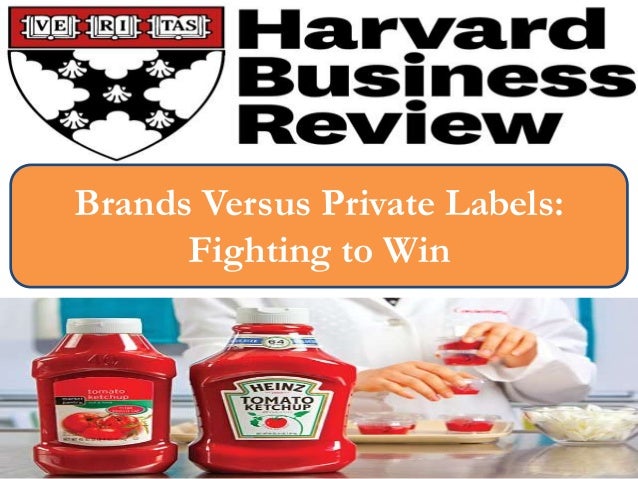
Private Brands Outperform National Brands in First-Quarter 2022 Subscribe. Private brands are starting the year off strong, posting a 6.5% gain in dollar sales for first-quarter 2022, according to a release from the Private Label Manufacturers Association, citing data from Chicago-based IRI. In comparison, dollar sales of national brands grew 5.2%. The quarterly numbers were boosted, in part, by March's ... Brands vs. Private Labels: Fighting to Win - Harvard Business Publishing Second, manufacturers of brand-name products can have significant influence on the seriousness of the challenge posed by private-label goods. It is difficult for managers to look at a competitive threat objectively and in a long-term context when day-to-day performance is suffering. But the authors strongly advocate keeping the private-label ... Brands vs Private Labels — Stone Candles And the main difference between recognized brands and private label brands is probably their prices and variety. This is one of the reasons why private label products are having a surge in popularity these days. Since private-label products do not necessarily have a "name" or brand, they are significantly cheaper than branded products. Private Label VS Brands: How To Make The Most Of Both 3. Across all price points Retailers can carefully use their branded and own label offers to cover all prices and bases in any given category. Whilst a brand might have a more premium, aspirational appeal, it leaves room for lower and medium priced, quality own label brands to sit just below them on the pricing ladder. 4. Less is more
12 Pros and Cons of Private Label Brands - BrandonGaille.com 1. Private label brands are usually cheaper than other branded products. This is because customers don't have to pay for mass marketing campaigns and the other costs national brand items may face. Local products coming from local producers also typically have lower transportation costs. Private Label Versus Brands: How Retailers Can Make The Most of Both 3. Across all price points. Retailers can carefully use their branded and own label offers to cover all prices and bases in any given category. Whilst a brand might have a more premium, aspirational appeal, it leaves room for lower and medium priced, quality own label brands to sit just below them on the pricing ladder. 4. Less is more. Brand versus private labels - SlideShare 5. PRIVATE LABELS • The term private label can be defined as products marketed by retailers and other members of the distribution chain. Private Label is any brand that is owned by the retailer or the distributor and is sold only in its own outlets. They are also called in-store brands. Brands Versus Private Labels: Fighting to Win - Harvard Business Review In fact, a 1994 DDB Needham survey indicates that 60 % of consumers still agree that they prefer the comfort, security, and value of a national brand over a private label. Although this percentage...
Private labels vs Brand names: The switch is on
What is Private Labeling? [Definition, Pros, Cons & More] The long-standing brand names have advantages over your private brand. You'll find them in a broader range of stores - whereas your private label lines will only be on your shelves. Plus, a national brand or intentional brand will always have a bigger marketing and promotion budget. Minimum Order Quantity (MOQ)
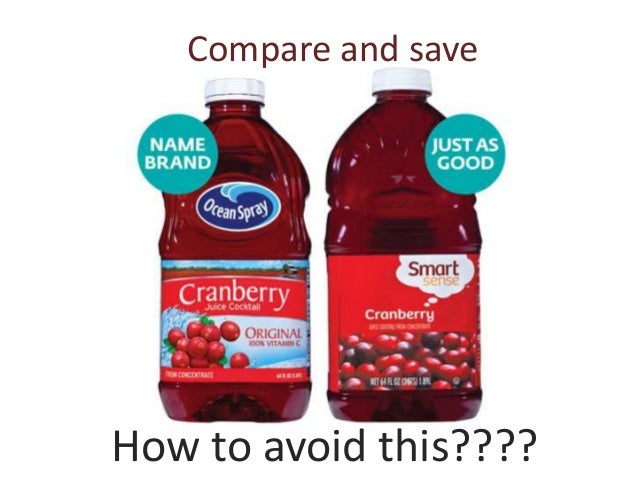
Brands vs Private labels
"Private label vs. consumer brand: the competition for shelf space" This series gives the average wholesale prices of bananas by country of origin. The prices are national averages of the most usual prices charged for bananas at wholesale markets in Birmingham and ...
31 Brands That Are Owned By ___________ Are Called Private-label Brands. - Modern Label Ideas
Name brands vs private label: It comes down to packaging While more than half of shoppers (54 percent) named quality as their top priority when shopping for everyday products, less than a third said that name brands are better quality or more reliable than private label. However, 56 percent of shoppers have the perception that name brand packaging is more attractive than private label.

32 Branded Vs Private Label - Labels Database 2020
The Pros and Cons of Going 'Private Label' vs. Selling Branded Products When you purchase your products from a manufacturer and then put your logo on them before you sell, you have a private label. Doing business this way can lower product unit costs and lead to higher profit margins. Another great upside of using a manufacturer is that you can determine the quality and exact specifications of your products.

Luxury Facts
Private Label vs. Consumer Brand: The Competition for Shelf Space Private Label vs. Consumer Brand: The Competition for Shelf Space will explore the changing dynamics and challenges of traditional consumer brands as they face off against private label to win the wallet and minds of organic consumers, as part of the second announced educational session at Organic Produce Summit 2022.

31 Brands That Are Owned By ___________ Are Called Private-label Brands. - Modern Label Ideas
Private Label vs. National Brands - Blacksmith Applications Private label brands exist across products and price levels. Impact: Pricing promotions that once made national brands cost competitive to private label items, may drop its product into a separate tier where the lower price intended to drive volume becomes the consumer expectation for everyday price. ♦ Challenge #2 ♦ A Race to the Bottom
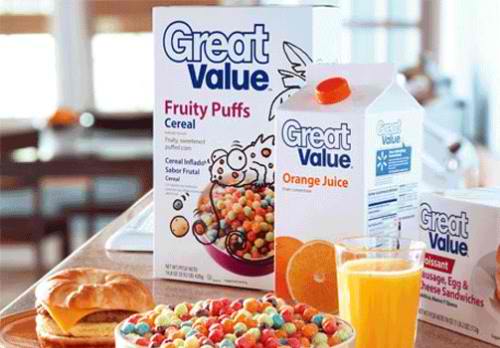
Private Label | Branding Strategy Insider
Marketing Minute: Manufacturer branding versus private-label: pros and ... Manufacturer brands serve the interest of the manufacturer first and benefit the retailer who carries them second. Brands that are owned and marketed by sellers are referred to by various names...
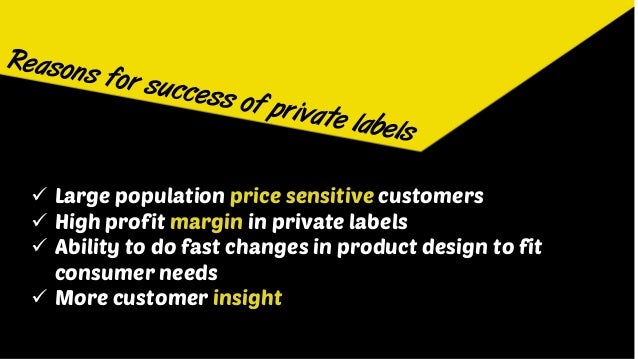
Brands vs private labels
Private Label vs. Branded Products: Pros and Cons | Sourcify When you purchase your products from a manufacturer and then put your logo on them before you sell, you have a private label. Doing business this way can lower product unit costs and lead to higher profit margins. Another great upside of using a manufacturer is that you can determine the quality and exact specifications of your products.
/cdn.vox-cdn.com/uploads/chorus_asset/file/8128667/Screen_Shot_2017_03_09_at_5.32.45_PM.png)
Millennials buy more clothes on Amazon than any other website - Recode
Private Label vs. National Brands | Catalina Meanwhile, the cookie category experienced a 66% decline in new product introductions for Private Brands vs. a 57% decrease for national brands in 2020, compared to 2019. But in 2021, new product introductions for private brands shot up by 60% while national brands declined by 22%.

Exclusive Interview with Mr. John Fortman, Master Distiller of Southwest Spirits - Got Rum? Magazine
The battle for brands in a world of private labels - Deloitte Insights private labels represent 20 percent of grocery store and 18 percent of supercenter sales. 4 furthermore, store brand products were 31 percent cheaper across product categories than their national brand counterparts. 5 store brands are not just a recession related phenomenon - u.s. store brand sales continue to grow over the long run despite …
28 Branded Vs Private Label - Labels Ideas For You
Private Label vs Branded Products: 6 Insights You Can Use - TraQline Consistent branding and well-thought-out marketing are what underlie branded success - and will, therefore, be central for private label brands as well. TraQline helps you inform your marketing strategy with consumer insights, behaviors, and trends. This customer insight will help you build your brand and reach your target market.
31 Brands That Are Owned By ___________ Are Called Private-label Brands. - Modern Label Ideas
Private Label (Generic) vs. Branded Products: Differences Aren't Black ... Private label brands such as American Rag and Ink are sold at Macy's and altogether represent about 20% of sales which is up from less than 5%. Among other things, when researching branded food manufacturers we are careful to consider a company's diversity of product categories in addition to its market position in those categories. A ...

Private Label Brand Statistics - Statistic Brain


Brands vs Private Label - YouTube

Is own-label food a match for the big brands? – Which? Conversation
Learn SEO The Ultimate Guide For SEO Beginners 2020 - Your Optimized Solutions
Post a Comment for "40 private labels vs brands"