38 bad fats on food labels
Top 10 High Fat Foods to Avoid - myfooddata Read ingredient labels and avoid any trans or partially hydrogenated fats or oils. High-fat foods to avoid include fast foods, whipped cream, fatty meats, fried foods, fatty snacks, processed meats, desserts, fatty salad dressings, animal fats, and trans-fats. ( 1) The daily value (DV) for fat is 78 grams per day. ( 2) Good fats and bad fats - Saga If a food product has these words on the label it must contain 25% less fat than a similar standard product. This can still mean a lot of fat! Read the label carefully to see how much fat there is in 100g of the food. Less than 5% fat - or 95% fat free This means that the food has less than 5g of fat per 100g.
5 Misleading Food Label Claims - Consumer Reports 1. Multigrain. These foods have more than one type of grain, but those grains could be refined, meaning their nutritious bran and germ have been removed. Similarly, "made with whole grains" might ...

Bad fats on food labels
Types of Fat in Food: Understanding the Different Dietary Fats Read labels carefully before eating packaged or processed foods. The bottom line: To keep your heart -- and the rest of you -- healthy, get most of your fats from unsaturated sources. 7 Nutrition Label Ingredients to Avoid - Walker Methodist Simply replacing trans-fats with healthy fats could decrease your risk of heart disease by 53 percent. Partially Hydrogenated Oils Partially Hydrogenated Oil is another form of trans-fat to watch out for on nutrition labels. This type of trans-fat is known to clog arteries and contribute to obesity and heart disease. High Fructose Corn Syrup (HFCS) PDF How do I read food labels? - American Heart Association • Total Fat — is the amount of fat found in one serving of the food. Total fat includes the amount of "bad fats" (saturated and trans) and "good fats" (monounsaturated and polyunsaturated). Fat is higher in calories than protein or carbohydrates. So, cutting back on your fat intake will help you reduce the number of calories you eat.
Bad fats on food labels. How to Read Food Labels and Avoid Toxic Ingredients Even if a package claims that No Trans Fats are used, you must read the label to see if it contains partially hydrogenated oils because the government allows companies say "No Trans Fats" if it contains less than 0.5 g of trans fat per serving. ... But be sure to read the ingredients on the label and ensure that the food does not contain ... Good Fats, Bad Fats :: Diabetes Education Online When you eat "good" fats in place of "bad" fats, these "good" fats can help protect your body against heart disease by lowering your blood cholesterol levels. However, even these "good" fats are high in calories, and most will raise your triglyceride levels. You have to limit how much you eat - even if considered "good" fats. Food Labels Are Super Sneaky. Here's What They Really Mean Here's what 13 misleading food labels really mean. 1. 'Toasted', 'crunch', 'clusters' -- contains added fat or oil. "These are three words that basically mean the same thing, but the label is used on various foods," McAleese told HuffPost Australia. "It's really another way of saying there is added fat or oil in the product. Reading Food Labels (for Parents) - Nemours KidsHealth
Food Groups for Carbohydrates, Proteins, Fats, Vitamins and ... Apr 02, 2020 · According to the National Center for Health Research (NCHR), the USDA recently replaced the food pyramid that was introduced years ago. Instead of the pyramid shape — which the NCHR says was criticized for confusing consumers — the new "ChooseMyPlate" recommendation contains five food groups of unequal sections, which include a hearty mix of carbohydrates (fruits and vegetables), proteins ... Fats | ADA - American Diabetes Association Trans fats are listed on the Nutrition Facts label, making it easier to identify these foods. However, keep in mind that if there isn’t at least 0.5 grams or more of trans fat in a food, the label can claim 0 grams. To avoid as much trans fat as possible, you should read the ingredients list on food labels. Look for words like hydrogenated ... How to Read a Nutrition Facts Label | Everyday Health There are official definitions for those terms: A food can be called "low-fat" if no more than 30 percent of its total calories come from fat, according to the FDA, while "high-protein ... Food Labels: Fat & Cholesterol | Home & Garden Information Center Eating too much total fat, saturated fat, trans fat or cholesterol may increase your risk of certain chronic diseases, like heart disease, high blood pressure and some cancers. Facts on Food Labels Food labels contain clues to a food's fat and cholesterol content, including the amount per serving.
What Are the Fats Not Listed on Nutrition Labels? - SFGATE Vegetable oils, especially canola, olive and peanut oils, almonds, hazelnuts, pecans, pumpkin seeds and sesame seeds are all good sources of monounsaturated fats. Polyunsaturated Fats... How to Read Nutrition Facts Labels the Right Way - GoodRx Bad fats Saturated and trans fats are the less healthy types of fats. Consuming them may have many negative health impacts, including higher levels of inflammation in the body and an increased risk of developing heart disease. Saturated fats Saturated fats are solid at room temperature and come from foods like butter and shortening. How To Read Food and Beverage Labels | National Institute on ... Feb 24, 2022 · Sometimes, food and beverage packaging includes terms that may try to convince the consumer the food is healthy. To help avoid confusion, the FDA sets specific rules for what food manufacturers can call “light,” “low,” “reduced,” “free,” and other terms. This type of labeling may have little to do with how nutritious the food is. Food Labels (for Teens) - Nemours KidsHealth A food with 5% or less of a nutrient is low in that nutrient. A food with 10%–19% of a nutrient is a good source of that nutrient. A food with 20% or more of a nutrient is high in that nutrient. The information on food labels is based on an average adult diet of 2,000 calories per day.
Nutrition Labels - How to Avoid Unhealthy Foods | Days To Fitness
How to Understand and Use the Nutrition Facts Label | FDA - U.S. Food ... Saturated fat, sodium, and added sugars are nutrients listed on the label that may be associated with adverse health effects - and Americans generally consume too much of them, according to the...

How Food Labels Are Making Us Fat (Infographic) - mindbodygreen
Food Labels: 5 Harmful Ingredients To Avoid | ThePostGame.com Here are some of the worst ingredients that are added to many foods that you should look out for and avoid: Partially Hydrogenated Oil Partially hydrogenated oil is another name for a trans fat....

Being fooled at the supermarket? 20 Claims on Food Labels Exposed! - Family Wellness HQ
How to Read a Food Label & How to Find Unhealthy Hidden Ingredients These types of fats help children absorb vitamins and compliment cognitive skills. However, too much of any fat can be burdensome and lead to weight gain. Now when reading a food label, you need to make sure that the product does not have too much saturated fat; and that it does not have any trans fats. Trans fats should be avoided. Trans Fat

Macro Myths Debunked: Good Fats vs. Bad Fats – 6 Pack Fitness
Interpreting Total Fat and Types of Fat on Food Labels - Nina Cherie ... Trans fats and, in some cases saturated fats, are considered "unhealthy" or "bad" while monounsaturated and polyunsaturated (omega-3) fats are generally healthier alternatives or "good" fats. Saturated fats are naturally found in animal-based foods including meats, dairy products and eggs.

Being fooled at the supermarket? 20 Claims on Food Labels Exposed! - Family Wellness HQ
What Foods Are High in Fat? High-Fat Foods to Avoid - MedicineNet Foods high in fat to avoid These foods are rich in bad fats, namely, saturated and trans fats and should be avoided: Deep-fried foods (French fries, fritters, chips) Cakes, muffins, cookies Ice cream and other frozen desserts Red meat (steak) and processed meats (bacon, sausage) Chicken skin Butter, margarine, lard

UK to Food Companies: Label Your Bad Nutrients RED | Fooducate
15 Most Deceptive Food Label Terms That Are Fooling You The FDA states that foods with this label must not contain more than two milligrams of cholesterol per serving. If the food's per-serving fat content for main dishes exceeds 19.5 grams or 26 grams for meal products, the total amount of fat per serving must be labeled beside the "cholesterol-free" claim. Keep in mind that not all cholesterol is bad.
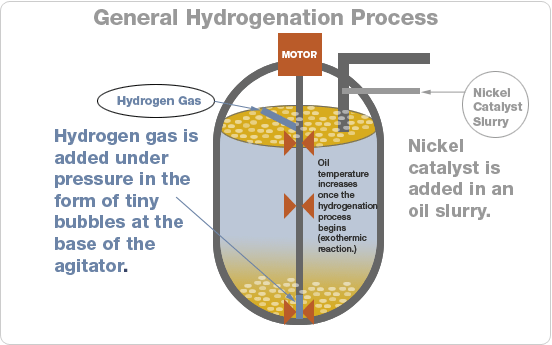
Trans Fats Are Toxins - Toxins = Gout | TheGoutKiller.com
Easy Guide to Understanding Food Labels When You Have High ... - MyDoc Saturated fat is a type of fat that raises your total and LDL cholesterol and risk of heart disease, so intake should be limited. The average adult should consume less than 20 grams of saturated fat per day. Trans fat is more harmful and damaging to the arteries as it raises LDL (bad) cholesterol and lowers HDL (good) cholesterol.
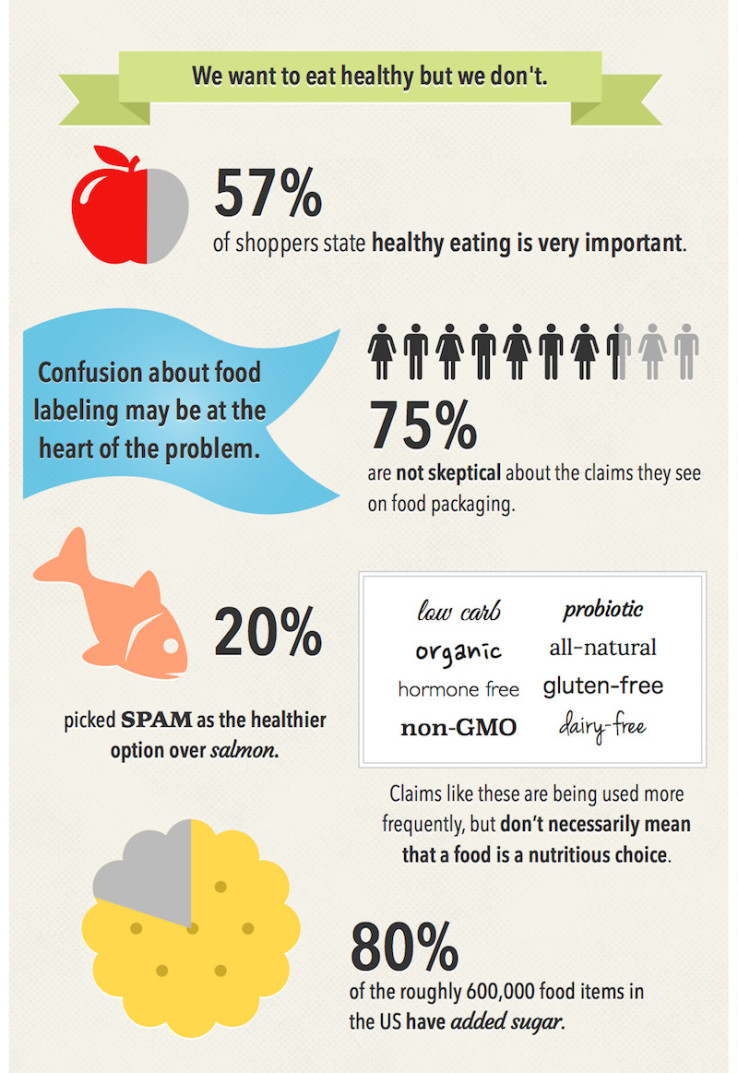
How Food Labels Are Making Us Fat (Infographic) - mindbodygreen
Which Fats Are Good & Bad for Your Health? - eMediHealth Unsaturated fats are loosely packed fatty acids that bend and move, which is why this fat is commonly liquid at room temperature. Oils are the most recognizable form of unsaturated fat, including olive, canola, or vegetable oil. It is recommended to choose oils over solid fats for a healthy lifestyle. 2. Saturated fat

Q. Some foods are labelled ‘no MSG’. What does MSG stand for and is it bad for our health ...
7 Hidden Messages In Packaged Food Labels - Eat This Not That As for trans fat, while some trans fats are created naturally in some foods (but in very small amounts), most items with partially hydrogenated trans fat can increase blood cholesterol, LDL cholesterol, and triglyceride levels. In short, it could increase your risk of cardiovascular disease. In short, be wary of items with a high trans-fat count.

6 Foods That Seem Healthier Than They Actually Are, Because Labels Can Be Deceiving
Fat Content on Food Labels - Reading Between the Lines The Mayo Foundation continued, "Still, you may be able to tell if a product contains trans fat, even if it's not directly listed on the food label. Look for the words ' hydrogenated ' or 'partially hydrogenated' in the list of ingredients. These terms indicate that the product contains trans fat.

Pin on Lipids Foods
The Dirty Secrets of 'Clean' Labels - WebMD Another type of fat making its way into processed food is interesterified fat, which, like partially hydrogenated fat, isn't found in nature. K.C. Hayes, PhD, a researcher at Brandeis University ...
What will food without trans fats taste like? Just the same - NDTV Food
On some food labels, there is also just an indication of how much fat is contained in a product but there is no differentiation between good and bad fats. Even though all kinds of fats contain a similar amount of calories, there are still huge differences regarding their health effects.

3 Common Healthy Food Labels And What They Actually MeanCool Baby Stuff
Don't Be Fooled By These Food Labels - Health Trans fat is bad for your heart, and the ideal intake is zero. But products that say no trans fat can actually contain less than 0.5 grams per serving. "If a product says 0 trans fat on it, it isn ...

Fatty foods 'should carry official health warnings' - Telegraph
The Bad Effects Of Eating Junk Food | How To Change Your Diet For example, salad, sushi and sandwiches are healthy forms of fast food. However, most fast food restaurants, such as McDonalds or KFC serve unhealthy junk food. In Australia, 35% of an average adult’s daily energy intake and 41% of children’s daily energy intake comes from junk food.

140 best The 6 Essential Nutrients images on Pinterest
Understanding Food Nutrition Labels | American Heart Association When the Nutrition Facts label says a food contains "0 g" of trans fat, but includes "partially hydrogenated oil" in the ingredient list, it means the food contains some trans fat, but less than 0.5 grams per serving. So, if you eat more than one serving, you could end up eating too much trans fat.

35 What Does Fat Free Mean On A Food Label - Labels Database 2020
Dangerous 'trans fat' present in foods, absent on labels Entenmann's Crumb Coffee Cake lists 2.5 grams of saturated fat per serving on its Nutrition Facts label. But consumers have no way of knowing that each serving packs another 2.5 grams of trans fat. So the label makes that product look only half as bad as its (trans-free) sibling, Entenmann's All Butter French Crumb Cake, which lists 5 grams of ...

How Food Labels Are Making Us Fat (Infographic) - mindbodygreen
Food Label Detective: How to Spot the Good Fats Both saturated fat and trans fat amounts are clearly listed underneath "Total Fat," although some foods labeled trans fat-free may still contain small amounts (up to 0.5 grams) of trans fat. That's why it's important to also check a food's ingredient list. Avoid foods that contain "partially hydrogenated oil," which means trans fat is present.
Post a Comment for "38 bad fats on food labels"